
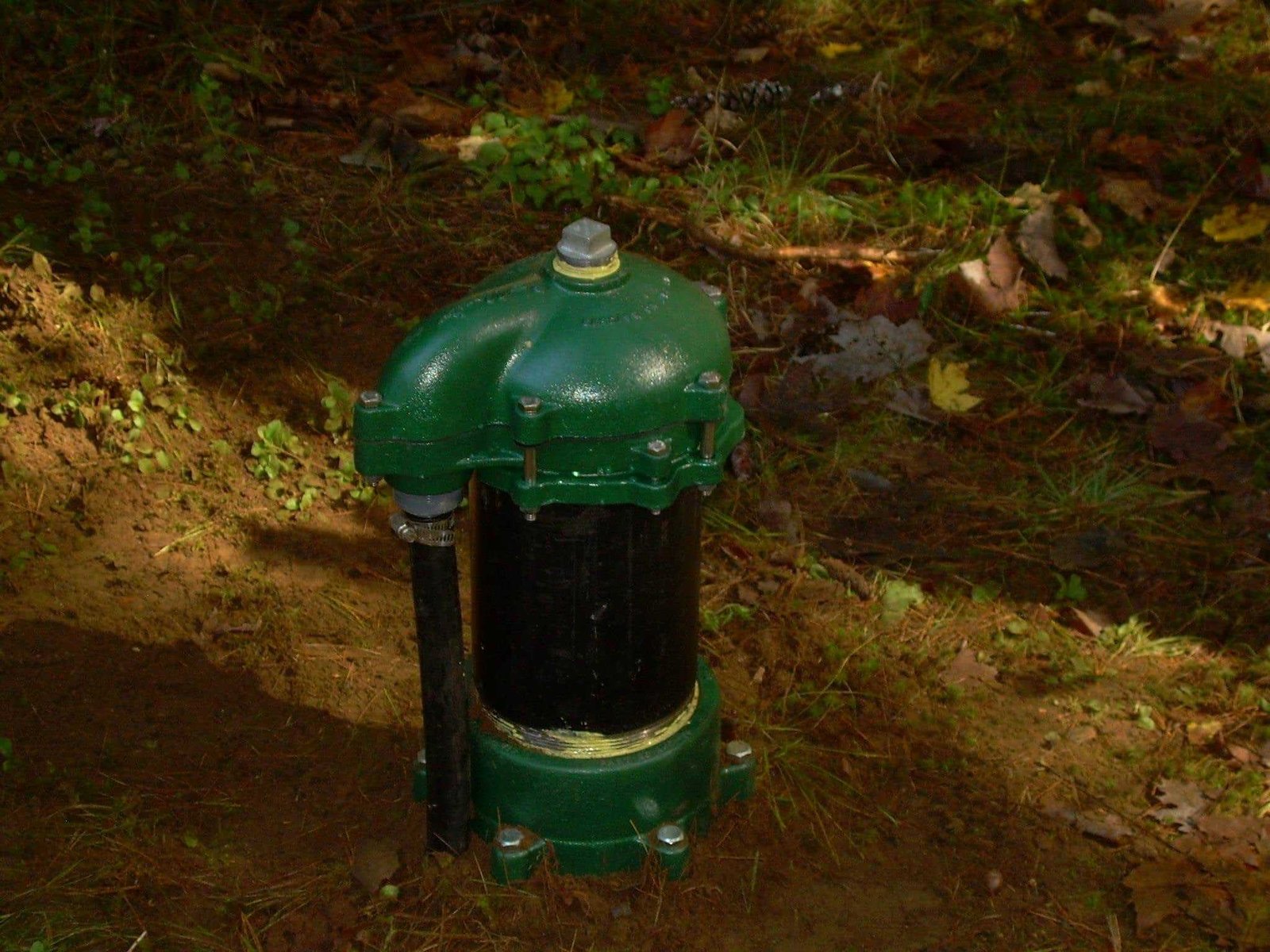
You know that feeling when you walk around your property and notice something small you’ve always overlooked? That’s probably what’s happening with your well right now. Most folks don’t think twice about what’s sitting on top of their well until something goes wrong. I’m talking about the well cap—that unassuming piece of equipment that does way more than just sit there looking boring.
I learned this the hard way when I watched bacteria get into my cousin’s well system because his cap had cracked. Not fun. Not cheap either. That’s when I realized how critical this small thing actually is for your entire water system’s health and longevity.
What Exactly Is a Well Cap and Why Does It Matter?
A well cap is basically the gatekeeper of your private water supply. It’s the protective covering that sits on top of your wellhead, sealing off your groundwater from contamination. Think of it as a bouncer for your water—keeping the bad stuff out while letting the good stuff flow where it needs to go.
The main job of a well cap is straightforward but absolutely essential. It protects your water source from surface contaminants, prevents insects and debris from falling in, and stops groundwater from becoming exposed to air or pollutants. Without proper sealing at the wellhead, you’re basically leaving your water door open.
Here’s the thing that surprised me: most people don’t realize there are actually different types of caps. You’ve got vented caps, sanitary well caps, and submersible pump caps. Each one serves a slightly different purpose depending on your well setup. Your pump type and local water regulations usually determine which one you need.
Different Types of Well Caps Explained
Sanitary Well Caps
These are the most common in residential settings. A sanitary well cap provides complete protection with a sealed design. No gaps, no shortcuts. They’re built tough and designed to keep everything unwanted out while maintaining proper pressure and ventilation through a screened vent.
I’ve seen these last 15-20 years with proper maintenance. They’re honestly the industry standard for good reason.
Vent Caps
Not all wells need a completely sealed setup. If you’ve got a static water level or certain types of systems, a vent cap works better. These allow air to pass through while still filtering out debris. They’re lighter and simpler, but they require specific well conditions to work safely.
Submersible Pump Caps
If you’re running a submersible pump system (which most modern wells do), you need a cap designed for that setup. These sit lower and accommodate the pump discharge, which is a different challenge altogether.
Signs Your Well Cap Needs Attention
I can usually tell when a well cap is getting tired. You start seeing rust, cracks, or corrosion. Sometimes the seal gets loose and you’ll notice water dripping around the edges. These are your warning signs that trouble’s brewing.
Pay attention to these red flags:
Water quality changes unexpectedly. If your water starts tasting funny or looking cloudy, the cap might be your culprit. Contaminated water usually means something’s getting through that shouldn’t be.
Visible damage or rust spots. Metal caps oxidize over time, especially in humid climates or near the coast. Once rust starts forming serious pits, structural integrity goes downhill fast.
Strange smells. Sulfur, iron, or musty odors sometimes point to bacterial growth, which happens when the sealing at your wellhead fails.
Pump problems that seem random. Sometimes a deteriorating well cap affects pump performance because of pressure changes or contamination getting into the system.
How to Inspect and Maintain Your Well Cap
You don’t need to be a professional to do basic maintenance. A couple times a year, walk out and actually look at your cap. Seriously—just look. Clear away any debris, check for obvious damage, and see if there’s rust forming.
If you find surface rust, you can clean it off with a wire brush and touch up with protective coating. Doesn’t take much effort, and it extends the life of your cap significantly.
For more serious issues—cracks, broken seals, or corrosion that’s eating through the metal—you’ll want to call a well professional. Replacing a well cap typically runs $200-$400 depending on your setup and location. That’s honestly cheap insurance compared to dealing with contaminated water.
The sealing matters more than people think. Check that the cap sits flush and the seal is actually doing its job. Sometimes caps loosen up just from weather cycles and normal movement in the ground.
When You Need to Replace Your Well Cap
Eventually, every cap reaches the end of its life. It’s not really a question of “if” but “when.” Most last somewhere between 10-30 years depending on material quality, environmental conditions, and how much abuse they take.
I’d recommend replacing your cap if:
- It’s been 20+ years since installation. Even if it looks okay, the material degrades internally.
- You see cracks bigger than a quarter. Small stress cracks can grow fast in freeze-thaw cycles.
- Rust has created holes or serious pitting. That’s game over for metal caps.
- The seal no longer works properly. If water’s getting in where it shouldn’t, replacement is your only real option.
- You’re getting repeated water quality issues. Sometimes a new cap solves mysterious contamination problems.
Replacing a cap isn’t rocket science, but it does need to be done right. The wellhead must be properly sealed during the process to prevent contamination, and your replacement well cap needs to meet local regulations—which vary depending on where you live.
Regulations and Compliance
Different regions have different rules about what your cap needs to be. Some areas require specific designs, certain materials, or third-party certifications. Your local health department usually has these guidelines.
When I looked into what my county required, I found they had pretty specific standards. Wasn’t expecting that level of regulation, but it makes sense. They’re basically protecting everyone’s water supply.
If you’re unsure what your area requires, start with your local well drilling company or health department. They can tell you exactly what meets code. Doing it right the first time beats having to redo work because your cap doesn’t meet standards.
Real Talk About Well Cap Problems
Let me be honest—people often ignore cap maintenance until water problems show up. By then you’re dealing with contamination, bacterial growth, or chemical infiltration that’s way more expensive to fix than preventive maintenance.
The worst scenario I’ve seen was someone who ignored rust buildup for years. Their cap eventually corroded through, contamination got in, and they had to shock treat their entire well system. Total cost: over $2,000. A replacement cap would’ve been $300.
It’s the classic story of penny-wise, pound-foolish. Spending a little time and money on prevention saves you huge headaches down the road.
FAQs About Well Caps
How often should I check my well cap?
At least twice a year—spring and fall work great. More frequently if you live somewhere with harsh weather or if you’re on a well with known issues.
Can I replace my well cap myself?
Technically, you can if you’re handy and your setup is straightforward. But honestly? Call a professional. It’s not expensive, and they’ll make sure everything meets code and gets sealed properly. One mistake can compromise your water quality.
What’s the best material for a well cap?
It depends on your water chemistry and local environment. Steel caps are durable but need rust protection. Plastic works great in certain situations but might not handle pressure as well. Talk to your well contractor about what’s best for your specific conditions.
Why does my new cap seem loose?
Slight movement is normal during weather changes. Ground expansion and contraction happens naturally. If it’s noticeably loose or seal is compromised, tighten or adjust it. But if it keeps loosening, something might be wrong with your wellhead.
Will a new well cap improve my water quality?
If your quality issues stem from contamination at the wellhead, yes—absolutely. But if the problem’s deeper in the aquifer or in your plumbing, a new cap won’t fix it. Test your water to know what you’re actually dealing with.
How much does a professional well cap replacement cost?
Typically $250-$500 depending on your location and setup complexity. Get quotes from local well service companies. It’s worth paying for experience here.
What happens if my well cap breaks in winter?
Winter’s actually the worst time for cap failure because freeze-thaw cycles can crack it further. If yours breaks in cold weather, get it replaced as soon as possible. Temporarily covering it with a bucket might help in a pinch, but that’s not a real solution.
The Bottom Line
Your well cap isn’t flashy. It won’t ever be the most interesting thing on your property. But it’s doing something genuinely important every single day—protecting your water supply from contamination.
Think of maintenance like brushing your teeth. You don’t wait for a cavity to show up. You stay on top of it so problems don’t happen in the first place. Same with your well cap. A little attention now saves you from dealing with major water issues later.
Check it out next time you’re near your well. See what you’ve got, think about its age, and plan accordingly. Your water quality will thank you for it.
