
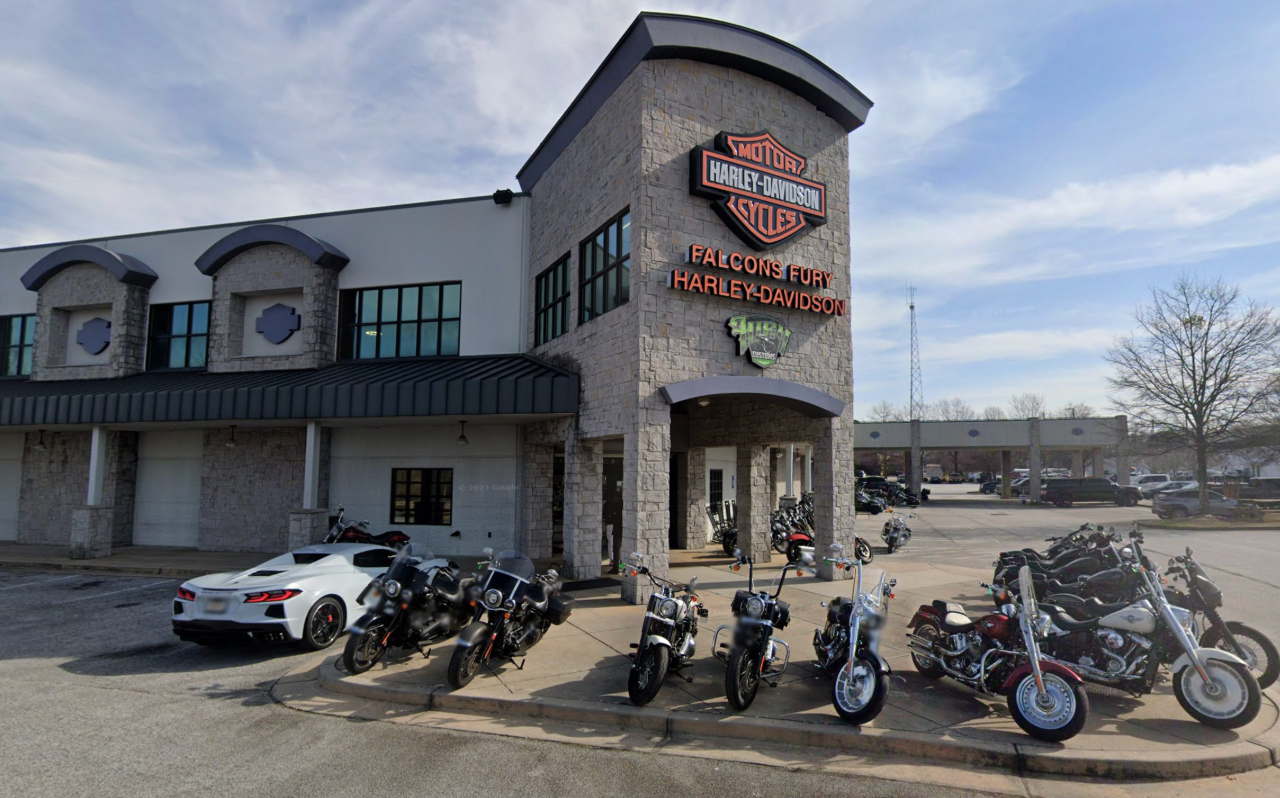
Buying a Harley-Davidson is a dream for many riders. For some, it represents freedom. For others, it’s the reward after years of hard work. But one thing often stands between that dream and reality—the price.
A brand-new Harley-Davidson can cost anywhere from around $10,000 to well over $40,000 depending on the model and accessories. Few people pay that amount in cash, which is why financing has become one of the most common ways to purchase one.
If you’re wondering whether financing for harley davidson is the right choice, this guide explains everything in simple language. You’ll learn how motorcycle financing works, who it suits, the advantages and disadvantages, common mistakes, and practical tips that can save you money over the life of your loan.
Quick Answer
Motorcycle financing allows you to buy a Harley-Davidson by borrowing money and repaying it over time through monthly installments. Loans may come from Harley-Davidson Financial Services, banks, credit unions, or online lenders. The best option depends on your credit score, down payment, interest rate, and financial goals.
What Is Financing for Harley Davidson?
Instead of paying the full purchase price upfront, financing lets you spread the cost over several years.
Here’s the basic idea:
- You choose a motorcycle.
- A lender pays the dealership.
- You make monthly payments until the loan is fully repaid.
- Interest is charged on the borrowed amount.
The motorcycle usually serves as collateral, meaning the lender may repossess it if payments stop.
For many riders, this makes ownership possible years earlier than saving enough cash.
How Motorcycle Financing Works
The process is surprisingly straightforward.
Step 1: Choose Your Bike
Start by deciding whether you want:
- A brand-new Harley-Davidson
- A certified pre-owned model
- A privately owned used motorcycle
Different lenders may have different rules regarding used motorcycles.
Step 2: Apply for Financing
The lender typically reviews:
- Credit score
- Income
- Employment history
- Existing debts
- Down payment
- Loan amount
A stronger financial profile usually qualifies for better rates.
Step 3: Loan Approval
If approved, you’ll receive details including:
- Interest rate (APR)
- Loan term
- Monthly payment
- Total repayment amount
Always read these numbers carefully before signing.
Step 4: Purchase the Motorcycle
Once paperwork is complete, the lender sends payment to the seller or dealership.
You ride away while beginning monthly payments according to your loan agreement.
Types of Harley-Davidson Financing
Not every loan works the same way.
Dealer Financing
Many dealerships offer financing through Harley-Davidson Financial Services.
Advantages include:
- Convenient application process
- Promotional interest rates for qualified buyers
- Easy paperwork
- Packages including protection plans
Potential downside:
Dealer financing isn’t always the cheapest option.
Bank Loans
Traditional banks offer motorcycle loans to existing customers.
Benefits include:
- Fixed interest rates
- Familiar banking relationship
- Predictable monthly payments
Approval standards can sometimes be stricter.
Credit Union Loans
Credit unions often receive positive reviews from experienced riders.
Why?
They frequently offer:
- Lower APRs
- Flexible repayment
- Better customer service
- Lower fees
If you’re eligible for membership, it’s worth comparing.
Online Lenders
Digital lenders have grown rapidly.
They often provide:
- Fast approvals
- Online applications
- Rate comparisons
- Competitive pricing
Many borrowers receive decisions within hours.
Features You Should Compare
Never focus only on the monthly payment.
Instead, compare several factors.
Interest Rate
Even a small difference matters.
Example:
- 5% APR
- 8% APR
On a long-term loan, that gap could mean paying thousands more.
Loan Length
Common terms include:
- 36 months
- 48 months
- 60 months
- 72 months
- 84 months
Longer loans reduce monthly payments but increase total interest.
Down Payment
Putting more money down offers several advantages.
It can:
- Reduce monthly payments
- Lower interest costs
- Improve approval chances
- Prevent negative equity
Many buyers underestimate how much a larger down payment helps.
Early Repayment
Some loans allow early payoff without penalties.
That’s valuable if your income improves later.
Always confirm this before signing.
Fees
Watch for:
- Origination fees
- Processing fees
- Late payment penalties
- Documentation charges
Small fees can quietly increase the total borrowing cost.
Who Should Consider Financing?
Financing isn’t automatically good or bad.
It depends on your situation.
It may work well if:
- You have stable income.
- You need transportation.
- You want to preserve savings.
- You qualify for a competitive interest rate.
- You can comfortably afford monthly payments.
It may not be ideal if:
- Your income is unpredictable.
- You’re already carrying high debt.
- You’re struggling with monthly expenses.
- You’re buying purely on impulse.
Don’t Miss Out: How to Finance an RV with Bad Credit
Benefits of Financing
Many riders appreciate financing for practical reasons.
Immediate Ownership
Instead of waiting years to save, you can begin riding much sooner.
For many enthusiasts, that’s a major advantage.
Keeps Savings Available
Using all your cash for a motorcycle can leave little for emergencies.
Financing allows you to maintain financial flexibility.
Credit Building
Consistent on-time payments may improve your credit history over time.
Late payments, however, have the opposite effect.
Budget-Friendly Payments
Monthly installments often fit more comfortably into household budgets than a large one-time purchase.
Access to Better Models
Some buyers choose motorcycles with better safety features or reliability because financing spreads the cost.
Drawbacks You Shouldn’t Ignore
Every loan comes with trade-offs.
Interest Costs
You’ll almost always pay more than the motorcycle’s purchase price.
The longer the loan, the greater the total interest.
Risk of Repossession
Missing payments may result in losing the motorcycle.
That’s an unpleasant reality many first-time buyers overlook.
Insurance Costs
Lenders generally require comprehensive and collision insurance.
This increases monthly ownership expenses.
Depreciation
Motorcycles lose value over time.
In some situations, borrowers owe more than the bike is worth.
Long-Term Commitment
A five- or six-year loan feels manageable initially.
Life can change unexpectedly during that period.
Real-World Examples
Example 1
Sarah recently started a higher-paying job.
She had enough savings for a 25% down payment while keeping an emergency fund.
Because she had excellent credit, she secured a low interest rate and comfortably managed monthly payments.
Financing made sense for her.
Example 2
Mike loved a premium touring Harley.
Unfortunately, his existing debts were already high.
The monthly motorcycle payment pushed his budget too far.
He decided to wait another year while improving his finances.
That delay probably saved him significant stress.
Example 3
Alex compared dealership financing with his local credit union.
The credit union offered a noticeably lower APR.
Although the monthly difference seemed small, he calculated that he’d save well over a thousand dollars during the loan term.
A few hours of comparison shopping paid off.
Is It Safe?
Generally, yes—provided you work with reputable lenders.
Protect yourself by:
- Reading every contract carefully.
- Understanding total repayment costs.
- Avoiding pressure sales.
- Never signing blank paperwork.
- Confirming all promised terms appear in writing.
If something feels rushed or confusing, ask questions.
A trustworthy lender should explain everything clearly.
Is It Legitimate?
Yes.
Motorcycle financing has existed for decades and is widely used throughout the industry.
Legitimate lenders operate under financial regulations and disclose:
- Interest rates
- Fees
- Payment schedules
- Loan terms
- Borrower responsibilities
Problems usually arise not because financing itself is illegitimate but because buyers fail to understand the agreement before signing.
Common Mistakes Buyers Make
Many expensive mistakes are avoidable.
Some of the most common include:
- Shopping based only on monthly payment
- Ignoring total loan cost
- Skipping loan comparisons
- Buying more motorcycle than needed
- Forgetting insurance costs
- Not budgeting for maintenance
- Choosing an extremely long repayment period
One experienced rider once joked that “the cheapest payment sometimes becomes the most expensive bike.”
There’s a lot of truth in that.
Maintenance Costs Matter Too
Owning a Harley involves more than loan payments.
Remember to budget for:
- Fuel
- Tires
- Oil changes
- Scheduled servicing
- Registration
- Riding gear
- Storage
- Insurance
A realistic budget prevents unpleasant surprises.
Financing vs Paying Cash
Both approaches have advantages.
| Financing | Paying Cash |
| Smaller upfront cost | No loan payments |
| Builds credit history | No interest charges |
| Keeps savings available | Full ownership immediately |
| Monthly obligations | Requires significant savings |
| Total cost is higher | Usually lower overall cost |
Neither option is universally better.
It depends on your financial position.
How to Improve Your Chances of Approval
Before applying:
- Check your credit report.
- Reduce existing debt.
- Save for a larger down payment.
- Maintain steady employment.
- Avoid multiple loan applications within a short period.
- Gather proof of income beforehand.
Small improvements often lead to noticeably better loan offers.
Tips for Getting the Best Deal
If you’re serious about purchasing a Harley-Davidson, don’t accept the first financing offer you receive.
Instead:
- Compare multiple lenders.
- Calculate total repayment.
- Negotiate the purchase price separately.
- Ask about promotional rates.
- Review warranty options carefully.
- Understand every fee.
- Read customer reviews.
Patience usually saves money.
Common Questions Buyers Ask
Many first-time buyers wonder whether financing is available with average credit.
In many cases, yes.
Approval doesn’t always require perfect credit, although lower scores may result in higher interest rates.
Another common concern is whether paying off the loan early is beneficial.
If your lender doesn’t charge prepayment penalties, early repayment can reduce total interest costs.
Expert Practical Opinion
After looking at hundreds of financing examples across different vehicle purchases, one lesson appears repeatedly:
Focus on the total cost—not just the monthly payment.
A lower monthly bill can look attractive, but extending the loan several extra years often means paying much more in interest.
If your budget allows, choose the shortest loan term you can comfortably afford.
Also, never feel pressured to make a same-day decision at the dealership. Taking an evening to compare offers can save a surprising amount of money.
Is Financing Actually Worth It?
For many people, yes.
For others, no.
If you have:
- Stable income
- Reasonable debt
- Good credit
- A realistic budget
- Emergency savings
then financing for harley davidson can be a practical way to own the motorcycle you want without draining your savings.
If your finances are already stretched, waiting may be the smarter decision.
Motorcycles should add enjoyment to your life—not financial stress.
Conclusion
Choosing financing for harley davidson isn’t simply about qualifying for a loan. It’s about understanding every part of the agreement, comparing lenders, and making sure the payments fit comfortably within your long-term budget.
The best financing option isn’t always the one with the lowest monthly payment. It’s the one that balances affordability, interest costs, flexibility, and your overall financial health.
Take your time, compare offers carefully, and think beyond the excitement of the purchase. A well-informed decision today can make motorcycle ownership far more enjoyable for years to come.
FAQs
Q: Can I finance a used Harley-Davidson?
A: Yes. Many banks, credit unions, dealerships, and online lenders offer loans for used motorcycles, although eligibility requirements may differ depending on the bike’s age and condition.
Q: What credit score is usually needed?
A: Requirements vary by lender. Higher credit scores generally qualify for lower interest rates, but some lenders also work with borrowers who have average or limited credit histories.
Q: Is a down payment required?
A: Not always. Some lenders offer low or zero down payment options, though making a larger down payment usually reduces both monthly payments and total interest.
Q: Can I pay off my motorcycle loan early?
A: In many cases, yes. Check your loan agreement to see whether prepayment penalties apply before making extra payments.
Q: Does financing affect my credit score?
A: Yes. Applying for a loan may cause a small temporary inquiry, while making consistent on-time payments can help build a positive credit history over time.
Q: Should I finance through the dealership or a bank?
A: Compare both. Dealership financing is convenient, but banks and credit unions sometimes offer lower interest rates or better loan terms depending on your financial profile.
