
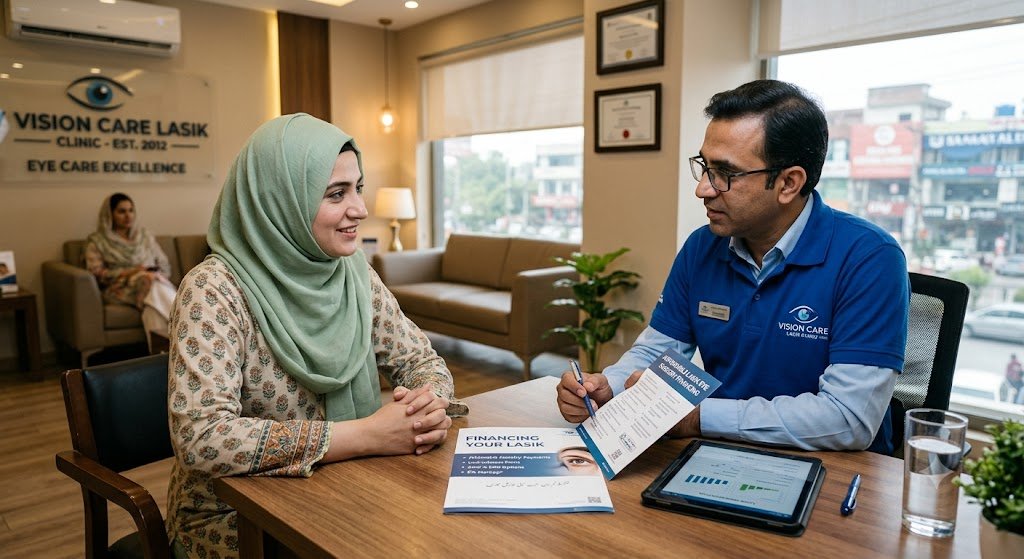
For many people, LASIK is more than a cosmetic procedure. It’s an opportunity to reduce or eliminate the need for glasses and contact lenses. Yet one question often comes before anything else: How can I afford it?
That’s why so many people search for lasik eye surgery financing before booking a consultation. While the surgery itself is completed in a matter of minutes, paying for it is a decision that deserves careful thought.
The good news is that paying for LASIK isn’t limited to handing over the full amount upfront. Clinics, healthcare lenders, savings accounts, and employer benefits can all make treatment more manageable depending on your situation.
This guide explains how payment options work, what to watch out for, and how to decide whether financing is the right choice for you.
What Does LASIK Usually Cost?
The price of LASIK varies depending on several factors, including:
- The technology used during surgery
- The experience of the surgeon
- Your location
- Whether one or both eyes require treatment
- The complexity of your prescription
Rather than focusing only on the advertised price, ask what is actually included.
Some clinics bundle everything into one package, while others charge separately for:
- Initial consultation
- Pre-operative testing
- Surgery
- Follow-up appointments
- Enhancement procedures if needed
A lower advertised price may not always represent the final cost.
Why Insurance Often Doesn’t Cover LASIK
One surprise for many first-time patients is discovering that standard health insurance usually doesn’t pay for LASIK.
That’s because the procedure is commonly classified as elective rather than medically necessary. Since glasses and contact lenses remain effective ways to correct vision, insurers often view laser vision correction as optional.
There are exceptions. Certain employer-sponsored vision plans or discount programs may reduce the overall cost, even if they don’t fully cover surgery.
It’s always worth checking your benefits before assuming you’ll pay the entire amount yourself.
What Financing Means in Practice
Financing simply means spreading the cost over time instead of paying everything at once.
Instead of one large payment, you make smaller monthly payments according to the terms of your agreement.
Depending on the provider, repayment periods may range from several months to several years.
This approach can make surgery more accessible, but it’s important to understand the full cost before signing any agreement.
Common Ways People Pay for LASIK
There isn’t a single payment method that works for everyone. The best option depends on your savings, credit profile, and financial goals.
Paying Upfront
Some patients prefer paying the full amount immediately.
Advantages include:
- No interest charges
- No monthly payments
- No financing approval process
If you’ve been saving specifically for vision correction, this may be the simplest approach.
Monthly Payment Plans Through Clinics
Many eye surgery centers work with financing companies that allow patients to spread payments over time.
These plans often include:
- Fixed monthly payments
- Different repayment lengths
- Promotional interest offers for qualified applicants
Always ask whether promotional rates expire or increase later.
Healthcare Credit Programs
Several financial companies specialize in medical financing.
These lenders may cover procedures such as:
- LASIK
- Dental treatment
- Cosmetic procedures
- Hearing care
Approval often depends on your:
- Credit history
- Income
- Existing debt
- Ability to repay
Some programs offer interest-free periods if the balance is paid within a specified timeframe.
Personal Loans
A personal loan from a bank or credit union can also be used to pay for surgery.
Benefits may include:
- Predictable monthly payments
- Fixed interest rates
- Flexibility to choose your provider
Unlike clinic financing, you’re borrowing independently and paying the surgeon directly.
Also Read: personalized market insights
Health Savings Accounts (HSA)
If you have an HSA through your employer or health plan, LASIK often qualifies as an eligible medical expense.
Using pre-tax money can reduce your overall out-of-pocket cost.
Because eligibility rules can vary, confirm with your HSA administrator before scheduling surgery.
Flexible Spending Accounts (FSA)
Many employers allow employees to contribute pre-tax income to an FSA.
These funds may also be used for eligible vision correction procedures.
Keep in mind that many FSAs follow annual deadlines, meaning unused funds could expire depending on your employer’s plan.
How Credit Scores Can Affect Financing
Not every financing option has identical approval standards.
Generally speaking:
- Higher credit scores may qualify for lower interest rates.
- Lower scores may still receive approval but with higher borrowing costs.
- Some clinics offer lasik eye surgery financing solutions designed for patients with average credit.
Even if financing is available, compare offers carefully rather than accepting the first one presented.
Questions to Ask Before Agreeing to Financing
A financing agreement should be just as carefully reviewed as the surgery itself.
Consider asking:
- What is the total amount I’ll repay?
- Is the interest rate fixed or variable?
- Are there application or processing fees?
- Is there a penalty for paying early?
- What happens if I miss a payment?
- Are follow-up visits included in the quoted price?
- Is enhancement surgery covered if needed later?
These questions can prevent unexpected expenses down the road.
Looking Beyond the Monthly Payment
A low monthly payment may sound attractive, but it doesn’t always mean you’re paying less overall.
For example:
- A shorter repayment period may have higher monthly payments but lower total interest.
- A longer repayment period can reduce monthly costs while increasing the total amount repaid.
Comparing the full repayment amount—not just the monthly payment—gives a more accurate picture of affordability.
Is Financing Better Than Waiting?
There’s no universal answer.
For some people, waiting allows them to save enough money to avoid borrowing.
For others, financing provides access to treatment sooner while keeping monthly expenses manageable.
The decision depends on factors like:
- Current savings
- Income stability
- Existing debt
- Interest rates
- Personal financial priorities
If financing causes significant financial strain, delaying surgery may be the wiser choice.
Thinking About Long-Term Costs
One reason people consider laser vision correction is the ongoing expense of glasses and contact lenses.
Over many years, recurring costs can include:
- Prescription glasses
- Contact lenses
- Cleaning solution
- Replacement lenses
- Eye exams
- Prescription sunglasses
For some individuals, these costs add up substantially over time.
That doesn’t automatically mean LASIK is the cheaper option, but comparing long-term spending can help put the investment into perspective.
Choosing a Clinic Without Focusing Only on Price
Price matters, but experience and quality matter just as much.
A reputable clinic should provide:
- A thorough eye examination
- Clear explanations of risks and benefits
- Transparent pricing
- Experienced surgeons
- Detailed aftercare instructions
- Honest expectations about results
If a clinic pressures you to sign immediately or advertises prices that seem dramatically lower than competitors, ask detailed questions before making a decision.
Who May Not Be a Good Candidate for LASIK?
Even if lasik eye surgery financing is available, surgery itself may not be appropriate for everyone.
Factors that can affect eligibility include:
- Thin corneas
- Certain eye diseases
- Unstable vision prescription
- Severe dry eye
- Pregnancy or breastfeeding
- Certain medical conditions
Only a comprehensive eye examination can determine whether LASIK is suitable.
If you’re not a candidate, your ophthalmologist may recommend another form of vision correction instead.
Can You Pay Off Financing Early?
Many financing agreements allow early repayment.
Doing so may reduce interest costs, depending on the loan terms.
However, not every lender follows the same policy.
Before signing, ask whether:
- Early payoff is allowed
- Any penalties apply
- Interest is calculated daily or over the entire loan period
These details can influence the total amount you ultimately pay.
Is LASIK Worth Financing?
For many people, the answer depends less on the surgery itself and more on their financial situation.
Someone with stable income, manageable debt, and affordable repayment terms may find financing perfectly reasonable.
On the other hand, borrowing at a very high interest rate could make an elective procedure considerably more expensive.
The goal isn’t simply getting approved for financing—it’s choosing a payment option that fits comfortably within your budget.
If monthly payments would interfere with essential expenses or emergency savings, waiting until you’re in a stronger financial position may be the better decision.
Conclusion
Choosing LASIK is both a medical and financial decision. While the promise of clearer vision is appealing, the way you pay for the procedure deserves equal attention.
Understanding available payment methods, comparing financing offers, reviewing the total repayment amount, and asking the right questions can help you avoid unnecessary costs. Instead of focusing only on the lowest monthly payment, consider the complete financial picture.
For many people, lasik eye surgery financing offers a practical path toward treatment. The key is selecting an option that supports both your vision goals and your long-term financial well-being.
FAQs
Q: Can I get LASIK if I have average or fair credit?
A: Yes. Some healthcare financing providers approve applicants with average credit, although the interest rate may be higher than for borrowers with excellent credit.
Q: Is LASIK cheaper if I pay in cash?
A: Some clinics offer discounts for paying upfront because they avoid financing fees. It’s worth asking whether a cash price is available.
Q: Can I use both an HSA and financing?
A: In some cases, yes. You may use available HSA funds to reduce the amount you need to finance, then pay the remaining balance through a loan or payment plan.
Q: Does financing approval guarantee I’m eligible for surgery?
A: No. Financial approval and medical eligibility are separate. You must first complete an eye examination to determine whether LASIK is appropriate for your eyes.
Q: How long do LASIK payment plans usually last?
A: Repayment periods vary by lender and clinic, but many plans range from several months to five years.
Q: Are interest-free financing offers always the best option?
A: They can be beneficial if you repay the balance within the promotional period. If you don’t, deferred interest or higher rates may apply, depending on the agreement.
Q: Should I choose the clinic with the lowest advertised price?
A: Not necessarily. Compare what is included in the quoted cost, the surgeon’s experience, follow-up care, technology used, and patient reviews before making your decision.
