
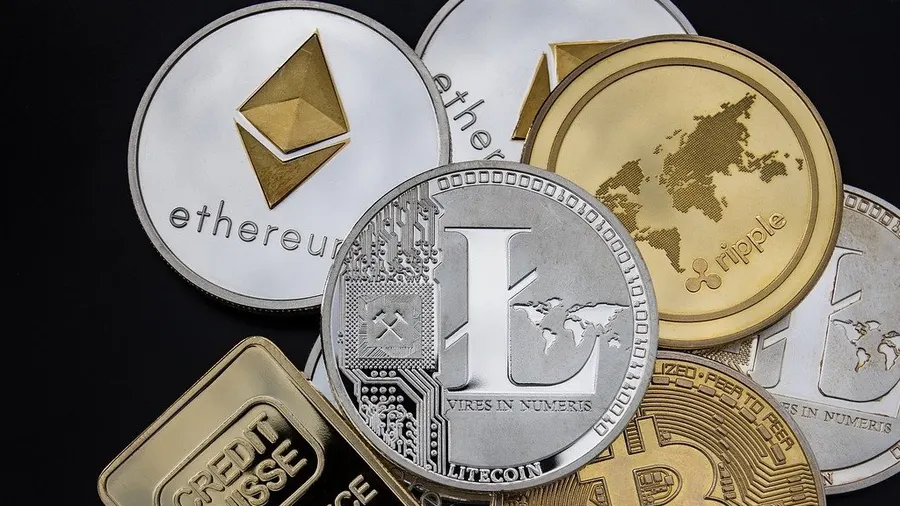
The cryptocurrency market moves quickly, and new projects appear almost every day. Many of them launch through presales, giving early supporters the opportunity to buy tokens before they reach public exchanges. While this can create exciting opportunities, it also comes with significant risks.
If you’ve been researching the best crypto presale, you’ve probably noticed that every project claims to be “the next big thing.” In reality, only a small percentage deliver on their promises. Understanding how presales work and knowing what separates credible projects from questionable ones is much more valuable than simply chasing hype.
This guide explains what crypto presales are, how they operate, what warning signs to watch for, and how to evaluate projects using practical criteria instead of marketing claims.
What is a Crypto Presale?
A crypto presale is an early fundraising phase where a blockchain project sells its native tokens before they become publicly tradable on cryptocurrency exchanges.
Instead of waiting for a listing on platforms like Binance, Coinbase, or decentralized exchanges, investors can purchase tokens directly from the project during its fundraising period.
The money raised is commonly used to:
- Develop the platform
- Build the blockchain infrastructure
- Fund marketing campaigns
- Expand the development team
- Support community growth
- Improve security through audits
Different projects may structure their presales differently. Some offer multiple pricing stages, while others sell tokens at one fixed price until the allocation sells out.
Why Do Crypto Projects Launch Presales?
Building blockchain products is expensive.
Developers need funding long before their products generate revenue. A presale provides capital while simultaneously building an early community of supporters.
Successful projects often use presales to:
- Validate market interest
- Raise development capital
- Reward early adopters
- Build social engagement
- Create liquidity before exchange listings
Unlike traditional startup funding, crypto presales allow individual investors—not just venture capital firms—to participate from the beginning.
Why Investors Participate Early
Many investors are attracted by the possibility of buying tokens before they become widely available.
Potential advantages include:
Lower Initial Pricing
Presale participants sometimes receive lower prices than public buyers.
However, lower prices never guarantee future profits.
Early Community Access
Many projects reward early supporters through:
- Governance voting rights
- NFT rewards
- Staking incentives
- Community events
- Beta platform access
These benefits vary significantly between projects.
Long-Term Investment Opportunity
Some investors believe promising blockchain ecosystems become more valuable as adoption increases.
If a project successfully builds real products and attracts users, demand for its token may grow over time.
The opposite can also happen if development stalls.
Understanding the Different Types of Crypto Presales
Not every token sale follows the same model.
Private Sale
Usually limited to:
- Venture capital firms
- Angel investors
- Strategic partners
- High-net-worth individuals
These investors often receive the lowest prices but may face longer lock-up periods.
Public Presale
Open to retail investors.
Participation typically requires:
- A crypto wallet
- Supported cryptocurrency
- Completion of the purchase process
This is the stage most individual investors encounter.
Fair Launch
Some projects avoid discounted private rounds entirely.
Instead, everyone purchases tokens under similar conditions.
Supporters often view fair launches as more decentralized, although they still require careful evaluation.
How to Evaluate a Crypto Presale
Rather than focusing only on potential returns, experienced investors examine several important factors.
1. Read the Whitepaper Carefully
A whitepaper explains:
- The project’s purpose
- Technical design
- Token utility
- Development roadmap
- Economic model
A high-quality whitepaper answers difficult questions instead of relying on vague promises.
If major sections are missing or filled with buzzwords, proceed cautiously.
2. Examine the Team
Transparent leadership matters.
Look for:
- Public founder profiles
- Relevant blockchain experience
- Software engineering backgrounds
- Previous startup work
- Active community engagement
Anonymous teams aren’t automatically fraudulent, but transparency generally improves credibility.
3. Review the Tokenomics
Token distribution plays a major role in long-term sustainability.
Important questions include:
- How many tokens exist?
- What percentage goes to developers?
- Are team tokens locked?
- How much is allocated to community rewards?
- Is inflation controlled?
Poor tokenomics can hurt a project even if the technology is strong.
4. Verify Security Audits
Independent security firms often review smart contracts before launch.
Although an audit cannot eliminate every risk, it helps identify common vulnerabilities.
Look for publicly available audit reports rather than simple marketing statements claiming “fully audited.”
5. Check Development Progress
Many projects publish their development activity.
Useful indicators include:
- GitHub repositories
- Product demonstrations
- Testnet launches
- Beta releases
- Developer updates
Projects with working software generally inspire more confidence than those with only promotional materials.
6. Evaluate Community Quality
A large social media following doesn’t automatically indicate legitimacy.
Instead, observe:
- Genuine discussions
- Developer interaction
- Technical updates
- Community transparency
- Consistent communication
Artificial engagement is surprisingly common.
Featured Articles: Cryptocurrency and blockchain technology
Common Risks Every Investor Should Understand
Crypto presales can generate strong returns, but they also involve substantial uncertainty.
Some of the most common risks include:
Project Failure
Many blockchain startups never complete development.
Funding alone doesn’t guarantee success.
Market Volatility
Even excellent projects can lose value during broader cryptocurrency downturns.
Bitcoin and Ethereum often influence the entire market.
Regulatory Changes
Cryptocurrency regulations continue evolving across different countries.
Future legal changes could affect token availability or trading.
Smart Contract Vulnerabilities
Software bugs occasionally allow attackers to exploit blockchain protocols.
Even audited projects aren’t completely immune.
Liquidity Issues
A token may launch successfully but attract limited trading activity.
Low liquidity can make buying or selling difficult.
Red Flags That Should Make You Think Twice
While no single warning sign proves a project is fraudulent, multiple red flags deserve serious attention.
Be cautious if you notice:
- Guaranteed profit claims
- Unrealistic return promises
- Anonymous developers with no history
- No whitepaper
- Missing roadmap
- Extremely aggressive marketing
- Fake celebrity endorsements
- Pressure to invest immediately
- No independent security audit
- Unclear token allocation
Legitimate projects usually discuss risks openly instead of pretending success is guaranteed.
Research Tools That Can Help
Investors often use several resources before participating in token sales.
Helpful research tools include:
- CoinMarketCap
- CoinGecko
- DeFiLlama
- GitHub
- Token audit reports
- Blockchain explorers
- Official Discord communities
- Telegram groups
- X (formerly Twitter)
No single source provides the full picture.
Cross-checking information from multiple sources generally leads to better decisions.
How Token Vesting Affects Investors
One important concept many beginners overlook is vesting.
Vesting determines when different groups can sell their tokens.
Common examples include:
- Team tokens unlocked over two years
- Advisor allocations released gradually
- Investor tokens locked for several months
Gradual vesting helps reduce sudden selling pressure after launch.
If large percentages become unlocked immediately, price volatility may increase.
Why Utility Matters More Than Hype
Some presales receive enormous attention because of influencer marketing.
Others quietly build useful products before attracting mainstream interest.
When evaluating any project, ask yourself:
- Does the token solve a real problem?
- Why would people use it?
- Does the blockchain require this token?
- Is there actual demand beyond speculation?
Projects with genuine utility generally have stronger long-term foundations than those driven solely by excitement.
Should Beginners Invest in Crypto Presales?
That depends on several factors.
Crypto presales are generally better suited to investors who:
- Understand blockchain basics
- Can research projects independently
- Accept the possibility of losing their investment
- Diversify rather than concentrating on one token
- Think long term instead of expecting overnight gains
Beginners may benefit from learning about established cryptocurrencies before exploring early-stage token sales.
Practical Checklist Before Investing
Before participating in any presale, consider this simple checklist.
✔ Read the whitepaper completely.
✔ Research the founders.
✔ Review token allocation.
✔ Confirm smart contract audits.
✔ Understand the vesting schedule.
✔ Examine roadmap milestones.
✔ Verify community activity.
✔ Check whether a working product already exists.
✔ Read independent reviews—not only promotional content.
✔ Never invest money you cannot afford to lose.
Following these steps won’t eliminate risk, but they can help you avoid many common mistakes.
Final Thoughts
Searching for the best crypto presale often leads to hundreds of promotional articles that rank projects without explaining how they reached those conclusions. A more useful approach is to build a repeatable research process that helps you judge each opportunity on its own merits.
The cryptocurrency industry continues to innovate, and new token launches will remain an important part of that growth. At the same time, early-stage investing requires patience, skepticism, and careful analysis.
Rather than chasing bold promises, focus on transparency, real-world utility, experienced teams, sound tokenomics, and steady development progress. Those factors won’t guarantee success, but they provide a much stronger foundation for evaluating opportunities than hype alone.
FAQs
Q: What is a crypto presale?
A: A crypto presale is an early fundraising event where investors purchase tokens before they become publicly available on cryptocurrency exchanges.
Q: Are crypto presales safe?
A: They carry significant risks. While some projects become successful, others fail or never complete development. Careful research is essential before investing.
Q: How can I identify a trustworthy presale project?
A: Look for transparent founders, a detailed whitepaper, audited smart contracts, realistic tokenomics, active development, and an engaged community.
Q: Can beginners participate in crypto presales?
A: Yes, but beginners should first understand blockchain fundamentals and the risks involved. It’s generally wise to start with thorough research and only invest amounts you can afford to lose.
Q: What is token vesting?
A: Token vesting is a schedule that controls when investors, founders, or team members can access and sell their allocated tokens, helping reduce sudden market selling pressure.
Q: Is investing in the best crypto presale guaranteed to make money?
A: No. Even promising projects can struggle due to market conditions, technical challenges, regulatory developments, or limited adoption. There are no guaranteed returns in cryptocurrency investing.
