
You ever bought your first bit of crypto and then just… sat there wondering where the heck it actually lives? Yeah. That was me a few years back. I hit “buy,” saw some numbers on a screen, and had no clue what a wallet even was. I thought the exchange WAS the wallet. Spoiler: it kinda is, but also not really, and that little misunderstanding can cost people a lot.
So let me walk you through this the way I wish someone had walked me through it. No jargon dumps. Just real talk.
Wait, Why Do You Even Need a Wallet?
Here’s the thing. When you leave your coins sitting on an exchange, you don’t fully control them. There’s this old saying in crypto — “not your keys, not your coins.” Sounds dramatic, but it’s true. If the exchange gets hacked or freezes withdrawals (it’s happened, more than once), your money’s stuck.
A wallet gives you the keys. Those keys are basically the password to your money that only you hold. Lose them and it’s gone forever. No customer service line. No “forgot password” button. Scary? A little. But once you get it, it’s kinda empowering.
The Two Main Types You’ll Run Into
Before picking, you gotta know there are two flavors.
Hot Wallets (Connected to the Internet)
These are apps on your phone or browser. Super convenient. You tap, you send, you’re done. Great for small amounts and everyday use. But because they’re online, they’re a bit more exposed to hackers. Think of it like carrying cash in your pocket — handy, but you wouldn’t stuff your life savings in there.
Cold Wallets (Offline, Physical Devices)
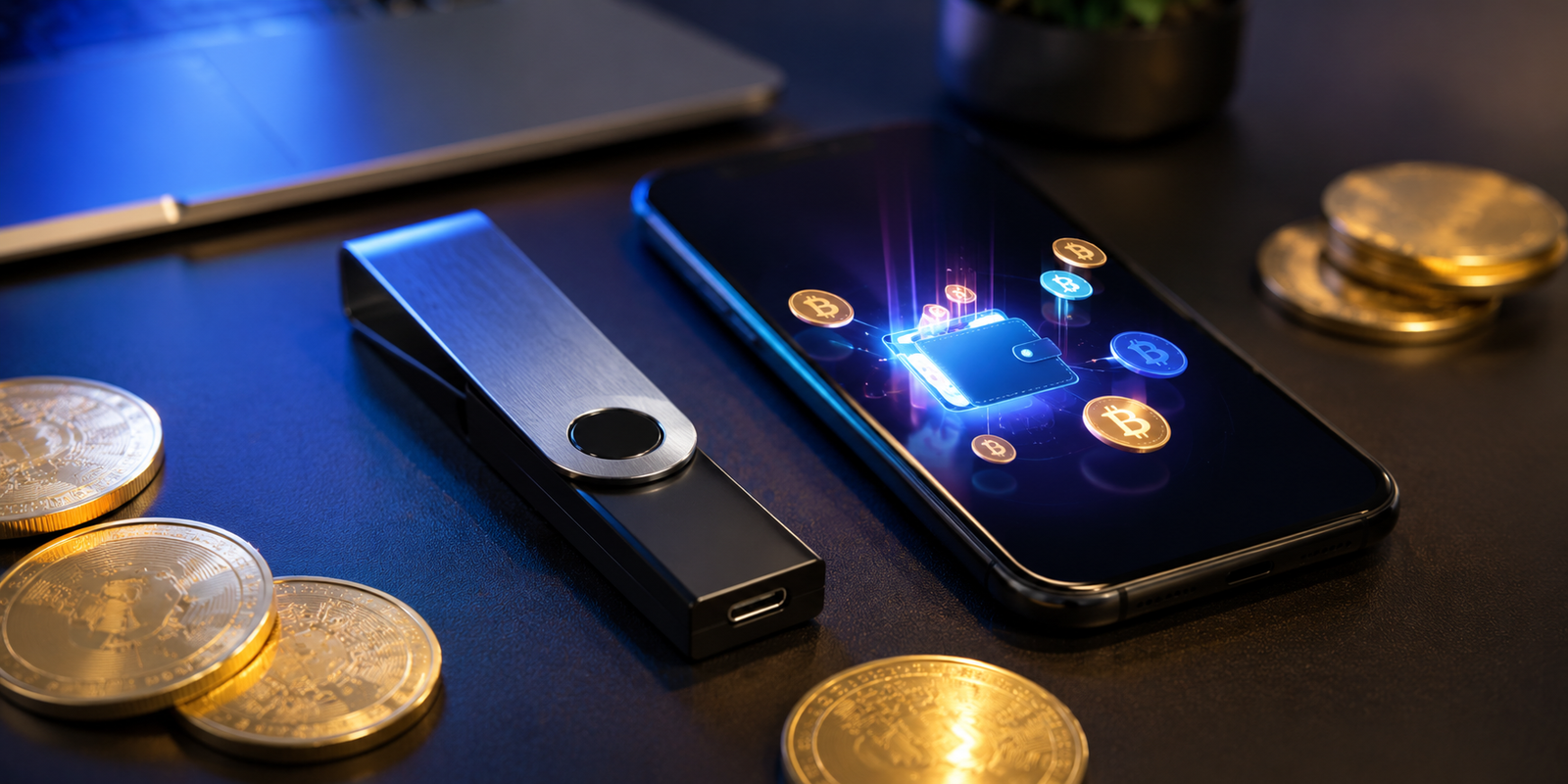
These are little gadgets, kinda like USB sticks, that keep your keys completely offline. Way harder for anyone to steal from. The downside? They cost money, and they’re a touch less convenient when you wanna move fast. But for serious holdings, honestly worth it.
Most people I know end up using both. A hot wallet for spending money, a cold one for the stuff they don’t wanna touch.
My Picks for the Best Crypto Wallets for Beginners
Alright, let’s get to what you actually came for. These are the ones I’d point a total newbie toward without hesitation.
MetaMask
This one’s kind of the classic starting point, especially if you’re poking around Ethereum or DeFi stuff. It’s a browser extension and a phone app. Setup takes maybe five minutes. The interface isn’t fancy, but it just works. And there’s a massive community, so if you’re stuck, someone online has already answered your exact question.
One gripe — it can feel a little overwhelming at first with all the network settings. But you’ll get the hang of it faster than you’d expect.
Trust Wallet
If you’re on your phone and want something simple, this is a great shout. It handles a ton of different coins, not just one chain. Clean layout, beginner-friendly, and it’s owned by Binance which gives it some backing. I recommend this one to friends who get intimidated easily. It just doesn’t throw too much at you.
Coinbase Wallet
Now, don’t confuse this with the regular Coinbase app. The Coinbase Wallet is separate — it’s self-custody, meaning you hold the keys. If you already use Coinbase to buy crypto, this feels familiar and the transition is smooth. Nice for folks who want everything under one roof-ish.
Ledger (When You’re Ready to Level Up)
This is a cold wallet, a physical device. Not free, but not crazy expensive either. Once you’ve got more than pocket change in crypto, something like this becomes one of the safer options for beginners who are getting more serious. I resisted buying one for way too long and kinda regret it. Peace of mind is worth a few bucks.
Also Read: What Are the 10 Biggest Cryptos Right Now?
Stuff Nobody Warns You About
Let me save you some pain here.
Write down your recovery phrase. On paper. Not in your Notes app, not in an email to yourself, not in a screenshot. Physical paper, tucked somewhere safe. I’ve heard too many stories of people losing everything because their phone died or got wiped.
And never — I mean never — share that phrase with anyone. If some “support agent” DMs you asking for it, they’re scamming you. Full stop. Real support will never ask.
Also, start small. Move a tiny amount first to make sure you understand how sending and receiving works before you go big. I sent a test transaction of like two dollars my first time, just to feel it out. Smart move, honestly.
Wrapping It Up
Picking a wallet feels like a big scary decision when you’re new, but it really isn’t once you understand the basics. Grab a simple hot wallet to start, get comfortable, then add a cold wallet later when you’ve got more skin in the game.
Don’t overthink it. The best crypto wallets for beginners are just the ones you’ll actually use and understand. Fancy features mean nothing if the thing confuses you. Pick one from this list, take it slow, protect that recovery phrase like it’s gold, and you’ll be just fine.
You’ve got this. Everyone starts clueless — I sure did.
FAQs
Do I really need a separate wallet, or can I just leave crypto on the exchange?
You can leave it there for convenience, but you don’t fully control it. For anything beyond a small amount, moving it to your own wallet is safer. Exchanges can freeze or get hacked.
Are hot wallets safe enough for a beginner?
For small amounts, yeah, totally fine. Just keep your recovery phrase offline and don’t fall for scams. Once your holdings grow, consider adding a cold wallet.
What happens if I lose my recovery phrase?
Honestly? Your crypto’s basically gone. There’s no reset button. That’s why writing it on paper and storing it safely is so important. Treat it like the keys to a safe.
Is MetaMask or Trust Wallet better for someone brand new?
Both are solid. Trust Wallet’s a bit simpler and more phone-focused, while MetaMask is great if you’re getting into Ethereum and DeFi. You can’t really go wrong with either.
How much does a cold wallet cost?
Usually somewhere in the range of a nice dinner out — not free, but not breaking the bank. And for the security it gives you on larger holdings, most people find it well worth the price.
Follow Us For More Informational Blogs
