
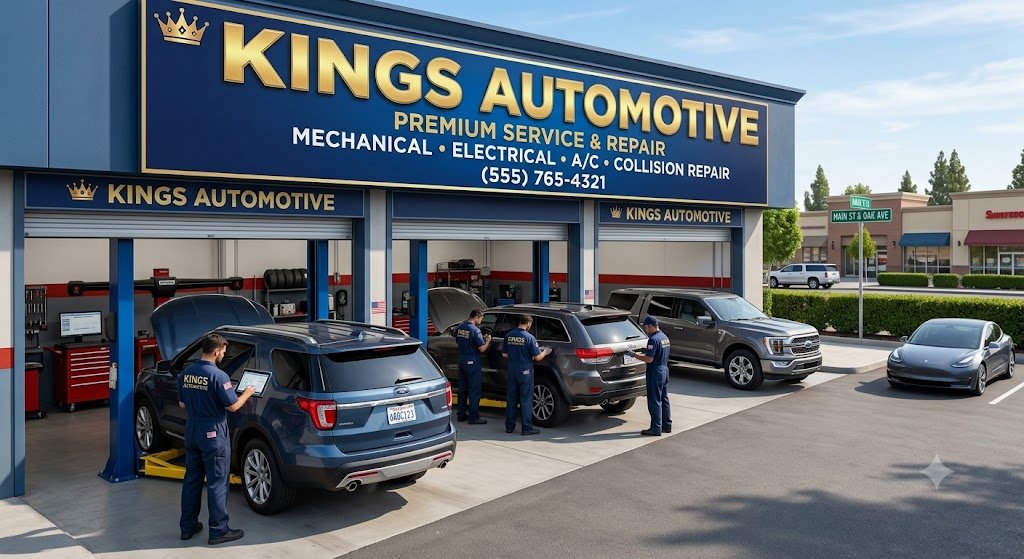
Ever driven away from a repair shop and wondered if the work was actually necessary? Most drivers have been there at least once. Finding a mechanic you can trust isn’t always easy, and that’s exactly why people tend to stick with a shop once they find one that treats them honestly.
A reliable automotive business isn’t just about fixing engines. It’s about clear communication, fair pricing, quality workmanship, and helping customers feel confident every time they get behind the wheel. That’s where kings automotive stands out for many vehicle owners looking for dependable maintenance and repair services.
Whether you drive every day for work or only use your car on weekends, regular maintenance can save you from expensive repairs later. Let’s look at what separates a dependable automotive service provider from the rest.
Why Choosing the Right Auto Repair Shop Matters
Cars have become more advanced than ever. Modern vehicles rely on computers, sensors, electrical systems, and sophisticated engines that require skilled technicians.
A good repair shop doesn’t simply replace parts until the problem disappears. Instead, experienced mechanics diagnose the issue carefully before recommending repairs.
That’s important because:
- You avoid paying for unnecessary work.
- Repairs are completed correctly the first time.
- Your vehicle stays reliable for longer.
- Safety problems are identified before they become serious.
Nobody enjoys unexpected repair bills, but preventive maintenance usually costs far less than major mechanical failures.
What Services Do Professional Automotive Shops Offer?
Every repair shop is different, but established businesses generally provide a wide range of services that help keep vehicles in excellent condition.
Routine Maintenance
Preventive maintenance is the foundation of vehicle ownership.
Common services include:
- Oil and filter changes
- Tire rotation
- Brake inspections
- Fluid replacement
- Battery testing
- Air filter replacement
These may seem like small jobs, but skipping them often leads to larger problems down the road.
Engine Diagnostics
Modern cars constantly monitor themselves through onboard computers.
When the check engine light appears, technicians use professional diagnostic equipment to identify the actual cause instead of guessing.
That saves both time and money.
Brake Repair
Brakes are one area where delaying repairs simply isn’t worth the risk.
Signs your brakes may need attention include:
- Squeaking noises
- Grinding sounds
- Vibrating brake pedal
- Longer stopping distances
- Soft brake pedal feel
Replacing worn brake pads early often prevents damage to more expensive brake components.
Suspension and Steering
A comfortable ride depends on healthy suspension parts.
Technicians commonly inspect:
- Shock absorbers
- Struts
- Ball joints
- Tie rods
- Control arms
If your vehicle pulls to one side or feels unstable over bumps, these systems may need attention.
Experienced Technicians Make a Difference
There’s a noticeable difference between a mechanic who guesses and one who understands how different vehicle systems work together.
Experienced technicians usually:
- Explain repairs clearly
- Show damaged components when possible
- Recommend only necessary repairs
- Use quality replacement parts
- Follow manufacturer procedures
That level of professionalism builds long-term customer trust.
Signs You’ve Found a Reliable Repair Shop
Not every garage deserves your business.
Here are a few qualities that often separate trustworthy repair centers from average ones.
Honest Communication
Good mechanics don’t confuse customers with technical jargon.
Instead, they explain:
- What failed
- Why it happened
- Which repairs are urgent
- Which repairs can safely wait
That honesty gives customers confidence.
Clear Estimates
Nobody likes surprise charges.
Reliable shops provide written estimates before beginning major repairs, allowing customers to understand expected costs.
Clean Workshop
A clean workshop isn’t everything, but it often reflects organized technicians who care about their work.
Professional repair facilities usually maintain:
- Organized equipment
- Proper safety procedures
- Clean customer waiting areas
- Modern diagnostic tools
First impressions matter.
The Value of Preventive Maintenance
I’ve seen people spend thousands on engine repairs simply because they skipped routine oil changes.
It’s rarely one missed service that causes disaster.
It’s months—or years—of putting things off.
Regular maintenance helps prevent:
- Engine wear
- Transmission damage
- Cooling system failures
- Battery problems
- Brake system issues
Think of maintenance as protecting your investment rather than creating another expense.
You May Also Like: InHouse Vehicle Finance
Why Customers Return to Kings Automotive
Many customers don’t become loyal because repairs are cheap.
They return because they know what to expect.
Businesses like kings automotive often earn repeat customers by focusing on consistency instead of quick profits.
Drivers appreciate technicians who:
- Listen carefully
- Diagnose accurately
- Finish repairs on schedule
- Respect customer budgets
- Stand behind their workmanship
Those qualities create trust that lasts for years.
Technology Has Changed Vehicle Repairs
Cars today contain dozens of electronic control modules.
Even something as simple as replacing a battery can require resetting vehicle systems in some models.
Professional repair facilities invest in:
- Computer diagnostics
- Digital inspection tools
- Manufacturer repair information
- Advanced testing equipment
Without modern equipment, diagnosing newer vehicles becomes much more difficult.
Simple Ways to Extend Your Vehicle’s Life
You don’t need mechanical experience to help your car last longer.
Small habits make a surprisingly big difference.
Check Tire Pressure
Proper tire pressure:
- Improves fuel economy
- Extends tire life
- Enhances handling
- Reduces uneven wear
It only takes a few minutes each month.
Don’t Ignore Warning Lights
That dashboard light may seem harmless today.
Waiting several weeks could turn a small repair into a major one.
Early diagnosis almost always saves money.
Follow the Maintenance Schedule
Vehicle manufacturers create maintenance schedules for a reason.
Following recommended service intervals helps prevent expensive breakdowns later.
Questions to Ask Before Approving Repairs
A trustworthy mechanic won’t mind answering questions.
Consider asking:
- What caused the issue?
- Is this repair urgent?
- Can the damaged part be shown?
- Are replacement parts new or remanufactured?
- Is there a warranty?
Clear answers usually indicate honest service.
Customer Service Matters More Than People Think
Repair quality is obviously important.
But customer experience matters too.
Simple things like returning phone calls, explaining delays, and treating customers respectfully often leave the strongest impression.
Many people remember how they were treated long after they’ve forgotten the repair bill.
That’s one reason businesses like kings automotive continue building loyal customer relationships over time.
Final Thoughts
Owning a vehicle comes with responsibilities, but choosing the right repair shop makes the experience much easier. Honest advice, skilled technicians, quality workmanship, and preventive maintenance all work together to keep your vehicle dependable for years.
The cheapest repair isn’t always the smartest choice. Long-term value comes from technicians who diagnose problems correctly, communicate openly, and care about doing the job right. When drivers find that combination, they usually keep coming back—and they recommend the shop to family and friends without hesitation.
FAQS
Q:How often should I service my vehicle?
A: Most manufacturers recommend routine maintenance every 5,000 to 10,000 kilometers, though driving habits and vehicle type can change those intervals.
Q:Why is preventive maintenance important?
A: Preventive maintenance helps identify small problems before they become expensive repairs while improving safety and vehicle reliability.
Q:What should I do if my check engine light comes on?
A: Schedule a professional diagnostic inspection as soon as possible. Ignoring warning lights can lead to larger mechanical issues.
Q:How do I know if my brakes need replacing?
A: Common warning signs include squeaking noises, grinding sounds, vibrations during braking, and increased stopping distance.
Q:Is it better to use one repair shop regularly?
A: Yes. Building a relationship with one trusted repair shop allows technicians to understand your vehicle’s service history and provide more consistent maintenance recommendations.
