
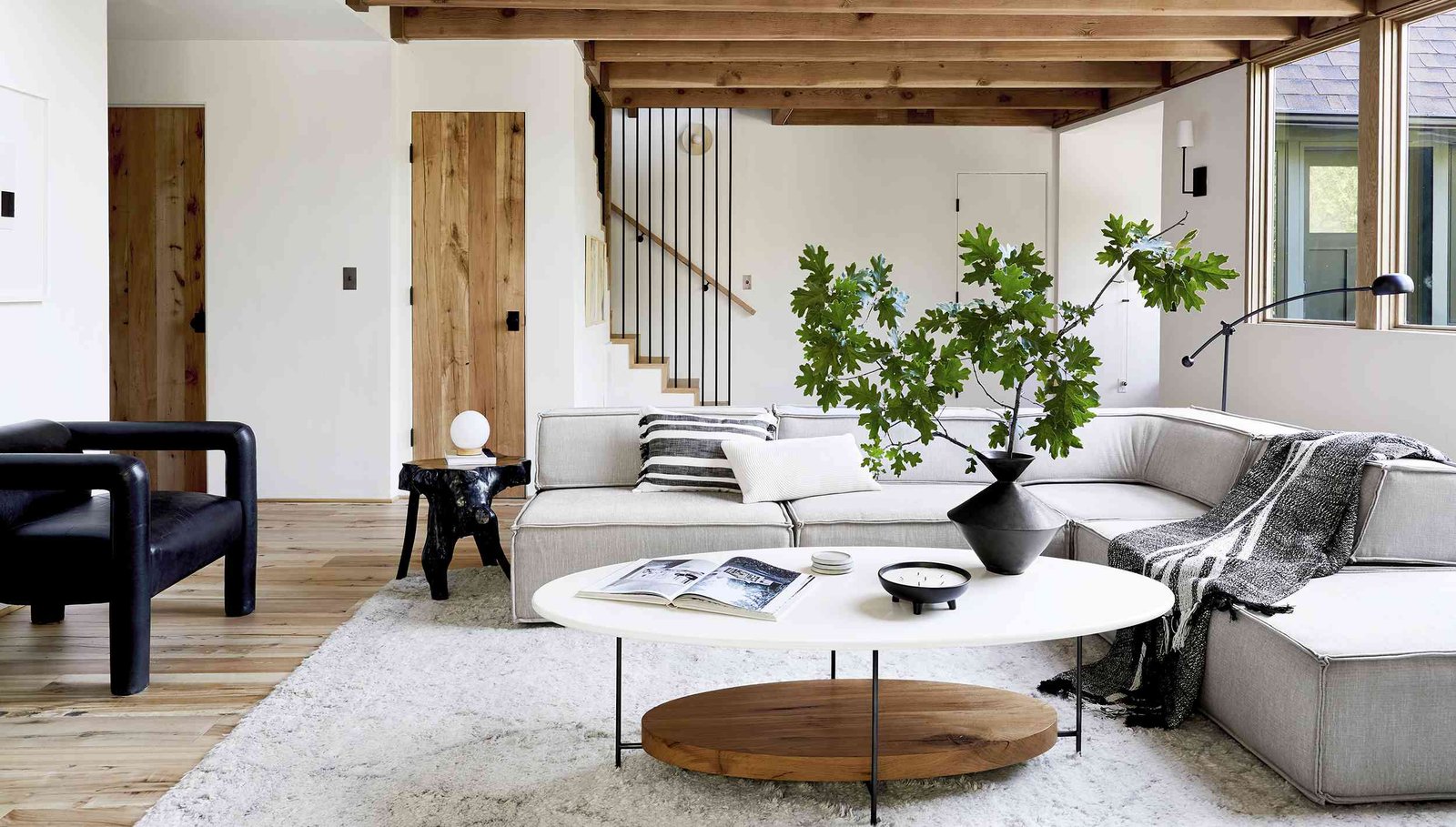
I remember walking into a friend’s newly renovated apartment and just… stopping. Not because of the furniture or the lighting — but the floor. It had this texture I couldn’t immediately place. Not wood, not stone, not the usual glossy ceramic I’d seen a hundred times before. It had depth. It felt considered. Turns out, she’d switched to a ceramic brand I hadn’t heard of at the time. That’s when I first looked into Sodiceram.
And honestly? I’ve been recommending it to people ever since.
What Is Sodiceram, and Why Is It Getting So Much Attention?
Sodiceram has emerged as a name synonymous with innovation, elegance, and durability in the world of ceramic and porcelain tiles. The brand has carved a niche by seamlessly merging traditional ceramic craftsmanship with advanced production technologies.
But here’s the thing — it isn’t just about looking good on a mood board. Unlike conventional ceramics, Sodiceram often incorporates advanced compounds such as sodium-based additives, resulting in superior strength, reduced porosity, and better resistance to wear and moisture. That’s not marketing language. That’s a genuinely different material approach, and you feel the difference when you’re actually living with it day to day.
The brand combines traditional design aesthetics with modern technological advancements — from architectural applications to interior décor — and has become a trusted name for those seeking both functionality and beauty in ceramic materials.
The Material Itself — Why It Performs Better Than Standard Tiles
Let’s talk about the practical side for a second, because this is where most tile brands either win or lose you.
Durability That Actually Holds Up
Sodiceram is designed to resist chipping, cracking, and wear far better than many traditional ceramics. Its structural composition gives it an edge in long-term performance, even under heavy use.
That matters a lot if you’ve ever watched a beautiful tile floor start chipping at the corners two years in. It’s one of those things where you don’t think about it until it happens, and then you wish you’d chosen differently.
Low Porosity — A Bigger Deal Than It Sounds
Because it is less porous, Sodiceram is more impervious to moisture and stains — a major advantage in bathrooms, kitchens, and outdoor zones.
Kitchen grout that stains in six months is a genuinely miserable experience. Low porosity tiles just sidestep that whole problem entirely.
Easy to Maintain Over the Long Run
The smooth surfaces and advanced glazing technologies make cleaning effortless, requiring only regular wiping to remove dirt and spills. The tiles’ resistance to chemical cleaners and UV exposure makes them suitable for both indoor and outdoor applications.
Outdoor tiles that fade in sunlight are another thing designers get burned by regularly. UV resistance is something worth checking before you commit to a product, not after.
Design Range — Because Durability Without Beauty Is Just Industrial Flooring
Here’s where Sodiceram in modern interiors really earns its reputation. The functional specs are impressive — but it’s the range of finishes and aesthetics that makes designers keep coming back.
Texture Options Across Every Style
Whether you prefer minimalism or rustic charm, Sodiceram offers both matte and glossy finishes that fit any interior or exterior environment. Each creation embodies artistry, function, and versatility, turning simple ceramics into works of art.
That balance between matte and gloss is something I appreciate personally. A full glossy bathroom can look like a hospital if it’s not done right. Matte finishes add warmth. Having the choice — and having both options executed well — is the difference between a brand that actually understands interiors and one that’s just making tiles.
Natural Mimicry Done Right
The brand’s collections often reflect the harmony between nature and modernity — whether inspired by stone, wood, or abstract art, Sodiceram ensures each ceramic piece tells a story. Natural textures mimic the earth’s raw beauty, neutral tones complement any architectural style, and artistic finishes add personality to every surface.
Wood-look tiles have become incredibly popular, and for good reason — they give you the warmth of timber without the maintenance headache. When the mimicry is done badly, it’s obvious and cheap-looking. When it’s done well, you genuinely have to look twice.
Bold Patterns and Minimalist Slabs — Both, Not Just One
Whether a client prefers understated minimalism or bold, statement-making patterns, Sodiceram provides options that align with diverse design visions.
Not every brand pulls this off. A lot of tile manufacturers are strong in one direction — either they do maximalist patterns well or they do clean minimalist slabs well, but rarely both with the same quality level. That versatility is genuinely useful when you’re working on multiple projects with completely different briefs.
Where It Works — Room by Room
Kitchens
Matte black tiles create a stunning contrast against white marble in the kitchen and bathroom. That combination — dark, textured tile against pale stone — is one of those design moves that photographs beautifully and holds up in real life. The key is making sure the dark tile has genuine depth to it, not a flat printed surface. That’s where material quality shows.
Bathrooms
For bathrooms specifically, a major advantage in moisture-prone spaces is the low porosity — surfaces that are more impervious to moisture and stains. Bathroom walls take a lot of steam and humidity over the years. A tile that maintains its finish without absorbing moisture is genuinely worth the investment.
Living Rooms and Entryways
Designers often use Sodiceram collections to create feature walls, statement flooring, and luxury accents. By combining traditional patterns with cutting-edge designs, Sodiceram successfully bridges the gap between classic artistry and contemporary fashion.
A well-chosen floor tile in an entryway sets the tone for an entire home. It’s the first surface people step on, and it communicates quality before anyone’s looked at a single piece of furniture.
Commercial Spaces
A café owner highlighted the durability and easy maintenance of Sodiceram’s floor tiles. Beyond functionality, he credited the stylish finish with attracting new customers and enhancing the ambiance of his business.
Commercial spaces are honestly the hardest test for any tile. High foot traffic, spills, heavy furniture being moved around. If a tile can hold up in a busy café, it’ll hold up anywhere.
The Sustainability Side — Not Just a Buzzword Here
Sodiceram continues to set benchmarks in the ceramics industry, raising standards for sustainability and quality. Their innovations, such as low firing temperatures, have cut carbon emissions while increasing durability.
Low firing temperature is a meaningful technical distinction, by the way. High-temperature kiln processes are energy-intensive. Achieving comparable or better durability at lower temperatures is a real engineering achievement, not just a marketing claim.
Many products are created with recyclable materials and eco-conscious processes, proving that style and environmental responsibility can coexist.
And because the tiles are built to last decades, Sodiceram contributes to lower replacement frequency — a long-lasting tile is inherently more sustainable than one that needs replacing every few years.
Practical Tips Before You Buy
A few things worth knowing if you’re actually planning to use these:
Match finish to function. For wet areas, go for matte or textured finishes for better grip. Smooth, clean, level surfaces ensure better adhesion. Allow for expansion and movement joints, especially outdoors or over large spans.
See samples in person. Seeing actual tiles or ceramic pieces in person reveals details that photographs cannot fully capture. Observing how colors appear in specific lighting conditions prevents surprises during installation.
This one I cannot stress enough. Tile photos on a screen always look different from the real thing under your actual lighting. The undertones shift. The texture reads differently. Order samples before you commit to any large format purchase.
Mix sizes strategically. Blending large-format tiles with accent strips can add visual interest. Large slabs alone can feel cold and institutional. A smaller accent tile — even used sparingly — grounds the space and gives it a handcrafted quality.
Where Sodiceram Is Headed
Smart ceramics exploring the integration of technology into tile design, global reach adapting collections to cultural preferences across new markets, and designer collaborations with architects and creatives to launch cutting-edge collections are all part of the brand’s growth vision.
Augmented reality tools that let you preview tiles in your space and AI design assistants that help match your taste and needs are already changing how customers interact with the brand — a digital-first approach that makes the process more interactive and customer-centric.
Being able to visualize exactly how a tile looks in your actual room before ordering is something that genuinely reduces the anxiety of tile shopping. It’s one of those tools that sounds gimmicky until you actually use it.
FAQ
Is Sodiceram suitable for outdoor use?
Yes. The tiles’ resistance to chemical cleaners and UV exposure makes them suitable for both indoor and outdoor applications. Just make sure you’re selecting a finish with adequate grip for outdoor surfaces.
How long do Sodiceram tiles typically last?
Ceramic and porcelain tiles from the brand can last decades with minimal maintenance, making them a cost-effective choice. Customers often see Sodiceram tiles as an investment rather than an expense.
Can I use Sodiceram tiles in a high-traffic commercial space?
Absolutely. The material is specifically built for demanding environments. Its structural composition gives it an edge in long-term performance, even under heavy use.
What cleaning routine do Sodiceram tiles need?
Cleaning is simple — regular sweeping and damp mopping with mild detergents usually suffice. The resistance to stains and moisture helps maintain a fresh appearance over time.
Are there customization options available?
Yes. Sodiceram offers customizable choices in textures, colors, and finishes, with an understanding that no two spaces are alike.
Stay Connected with Us for More Informational Blogs
